
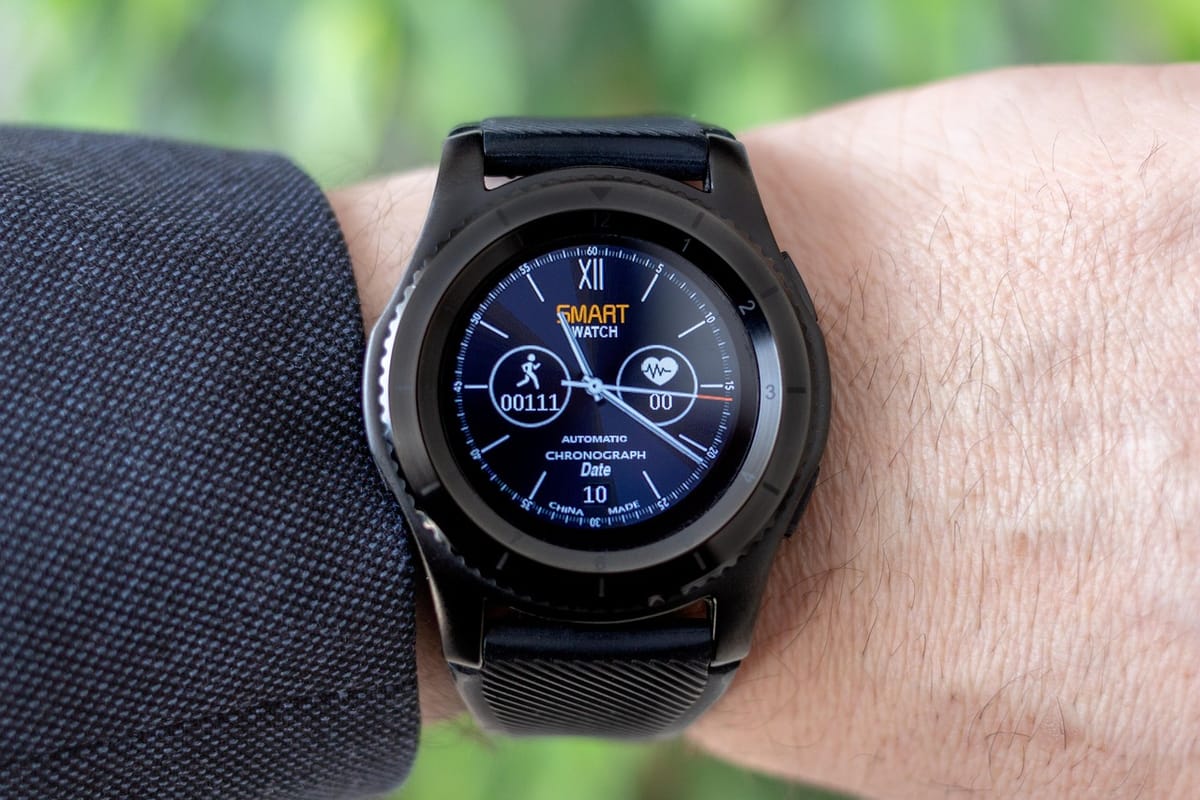
Most smartwatches need a charger every night. The Orbit Watch S needs one twice a month. It gives up a few smart features to get there, and for people who care more about fitness than about apps, it is a very good trade.
Design and comfort
The case is fibre-reinforced polymer with a steel bezel, and it weighs 39 grams without the strap. It is light enough to sleep in. The five buttons work with gloves and wet hands, which a touch screen never quite manages.
Fitness tracking
The Orbit tracks more than 80 activities. We tested running, cycling, swimming and hiking. GPS locks on in about five seconds and follows the route closely, even between tall buildings. Heart rate matched a chest strap within two beats a minute on steady runs and lagged a little on short sprints.

After each workout, the watch tells you how hard it was and how long to rest. The advice is sensible and does not nag. The daily "readiness" score is a useful nudge, not a rule.
Sleep and health
Sleep tracking was accurate for bedtime and wake-up and fair for sleep stages, as all wrist trackers are. The watch also measures blood oxygen and skin temperature overnight, and flags changes from your own baseline.


Smart features
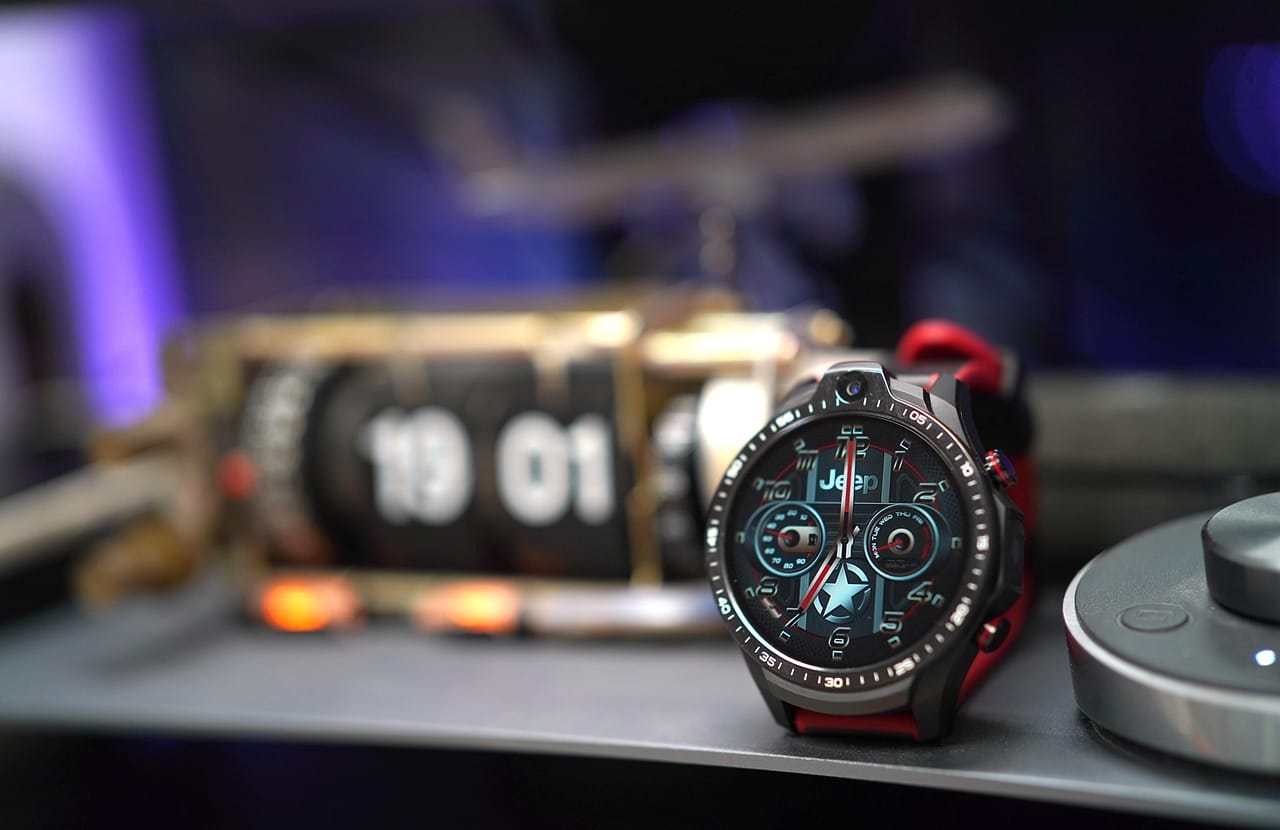
Here is the trade. You get notifications, music controls, contactless payments and a torch. You do not get a voice assistant, phone calls from the wrist or an app store. Replies to messages are preset phrases only.
I stopped taking the charger on work trips. That is the whole review, really.
Noa Brandt
Battery life
With the always-on screen and one hour of GPS a day, the battery lasted 13 days. With the screen set to wake on wrist raise, we reached 19 days. A full charge takes about an hour.
| Spec | Orbit Watch S |
|---|---|
| Screen | 1.3-inch memory LCD, always on |
| Weight | 39 g (case) |
| Battery | 13–19 days, 38 h GPS |
| Water rating | 10 ATM |
| Sensors | Heart rate, SpO2, skin temperature, altimeter |
A training block with the Orbit
We wore the Orbit Watch S through four weeks of training for a half marathon: sixteen runs, four swims and a long hike. It was on a wrist for about 23 hours a day, and it came off only to charge, twice.
On runs, the buttons matter more than you expect. You can start, lap and stop without looking, with sweaty hands or in gloves. The screen is always on and always readable in sunlight, which is the opposite of an OLED watch on a bright day. At night, a wrist turn switches on a soft backlight.
The training advice was good. After a hard interval session, the watch suggested 46 hours of recovery and an easy run the next day. When we ignored it, the next morning's readiness score dropped, and the run felt as bad as predicted. The watch also noticed a cold two days before we did, from a rise in resting heart rate and skin temperature.
In the water and on the hill
In the pool, the Orbit counted lengths correctly in 19 of 20 sessions and recognised the stroke each time. In open water, the GPS track was smooth. On the hike, the altimeter matched the map within ten metres, and the breadcrumb route made it easy to retrace a wrong turn. There are no full maps on the watch, only a line to follow.
How it compares
A full smartwatch at $399 has a brilliant screen, apps, calls and a voice assistant, and it needs charging every day or two. A high-end sports watch at $599 adds full maps and multi-band GPS. The Orbit Watch S gives you most of the sports features of the second for less than the first.
Who should buy it
Buy it if you run, swim, cycle or hike and want a watch that is ready when you are. It also suits people who want sleep and health tracking without nightly charging. If you want to leave your phone at home and still take calls, it is the wrong watch.
Pros
- Two weeks of battery life with daily GPS
- Accurate GPS and heart rate
- Light, tough and easy to use with buttons
- Clear, sensible training advice
Cons
- Few smart features and no app store
- Screen is dull indoors next to an OLED
- Sleep stages are only a rough guide
Verdict
The Orbit Watch S knows what it is for. It is a fitness watch that tells the time, shows your messages and lasts two weeks. It does those things very well.
If you want apps, calls and a bright screen, buy a smartwatch and a charger for your bedside. If you want to train, sleep and travel without thinking about battery, this is the one.